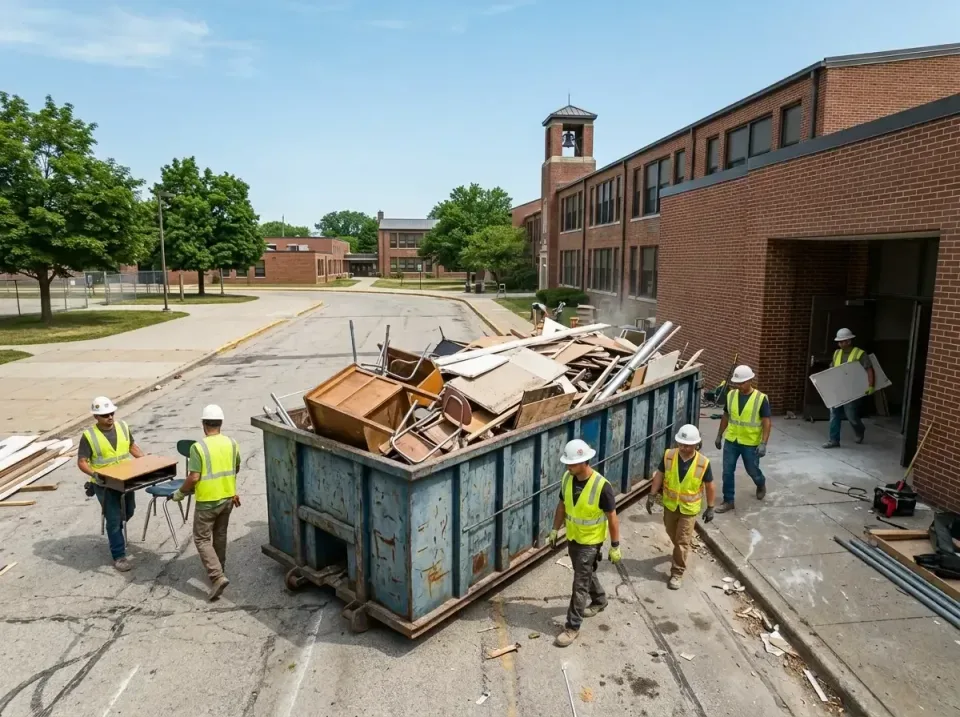
Residential Renovation & Remodel Cleanup
Homeowners and contractors book Sturgeon Bay renovation cleanup for drywall, roofing, lumber, fixtures, and bulky remodeling debris.
A construction debris dumpster accepts common job-site waste, but hazardous, liquid, and regulated materials need separate handling. Construction and demolition debris usually includes wood, drywall, roofing waste, and similar solid materials.
In Sturgeon Bay, prohibited items can cause a rejected load, extra handling, or a delayed pickup. Sorting before loading protects the driveway and keeps cleanup moving.
A construction debris dumpster is not a universal waste bin. Paint, fuel, solvents, asbestos-containing material, and many electronics require approved disposal channels.
Ask Dumpster Rentals Guru about the material list before demolition starts. A clear plan can keep waste from overflowing the driveway or blocking garage access.
For broader local coverage, review the all service areas page before planning a project outside Sturgeon Bay.
Separate prohibited materials: Source separation keeps hazardous items away from ordinary construction and demolition debris.
Prevent driveway overflow: Dumpster right-sizing helps avoid multiple trips, blocked garage access, and debris damaging asphalt or pavers.
Measure the placement area: A 40-yard roll-off container is approximately 22 feet long and eight feet wide.
Respect weight limits: Concrete and asphalt can exceed a container’s tonnage allowance even when space remains.
Load safely: Keep materials level with the walls, since overfilled containers risk rejection during haul-away.
A large dumpster container can hold substantial volume, but cubic-yard capacity does not equal unlimited weight. Ask about material separation before delivery.
The United States Environmental Protection Agency identifies regulated waste categories that may require different handling. Local disposal facilities can apply additional screening rules.
If roofing materials or bulky furniture create a second cleanup phase, a planned container swap may cost less than repeated pickup trips.
A roll-off dumpster generally should not receive liquids, fuels, solvents, pesticides, batteries, asbestos-containing material, medical waste, or pressurized cylinders. Electronic waste and certain lamps may fall under the Universal Waste Rule rather than ordinary construction disposal.
Wood, gypsum drywall, clean roofing shingles, and many remodeling materials commonly fit a construction dumpster. Pressure-treated wood may have separate facility rules, so confirm acceptance before loading a full batch. The United States Environmental Protection Agency and state environmental agencies regulate disposal streams differently.
The Resource Conservation and Recovery Act and 40 CFR Part 261 provide federal hazardous-waste classifications. Those rules do not mean every facility accepts every listed material. The hauler and receiving landfill still need the material description.
Concrete debris can fit a dumpster by volume but create a weight problem quickly. A concrete debris dumpster or concrete-only load is often safer than mixing dense material with light renovation waste.
Mixed debris and concrete-only loads have different weight constraints. A container may look half full while already approaching its tonnage allowance. Ask Dumpster Rentals Guru to review the material mix before booking a 40-yard dumpster rental.
Clean concrete and asphalt may have recycling or dedicated disposal options. Separating them at the source can reduce landfill tipping fees and prevent an overweight charge. Never assume available space means available payload.
Roofing materials can be accepted when they are clean, dry, and free from prohibited materials. Paint cans, liquid adhesives, asbestos-containing shingles, and chemical containers can change the load classification.
Demolition work creates a higher screening risk because walls may contain old insulation, wiring, fixtures, or unknown coatings. OSHA 29 CFR 1926.252 addresses construction debris handling, while OSHA 29 CFR 1926.1101 addresses asbestos work practices.
Stop work around suspected asbestos-containing material and use qualified testing or abatement professionals. Do not bury suspect material beneath ordinary debris. That shortcut can trigger rejection and expose workers during sorting.
DIY sorting works for clearly identified lumber, drywall, cardboard, and clean roofing waste. Professional guidance becomes more useful when a project includes unknown materials, heavy concrete, commercial demolition, or several disposal streams.
A 40-yard roll-off container holds about 40 cubic yards, or roughly 12 pickup loads, but the material must stay within the provider’s weight allowance. A roll-off delivery truck also needs a firm placement area and adequate truck clearance.
Before delivery, measure the approach, check wires and branches, and protect vulnerable paving. Driveway placement and street placement have different permit needs. A local right-of-way permit may apply when the container occupies public space.
Commercial demolition contractors, roofing contractors, and residential remodeling contractors often use source separation to reduce rework. Dumpster Rentals Guru can help identify the correct container type before pickup, especially when renovation waste blocks a garage or a driveway begins filling faster than expected.
Choose the container by material type, not just the amount of debris. A 40-yard construction dumpster suits ordinary remodeling waste, while dense concrete needs stricter weight planning.
A 40-yard demolition dumpster handles high-volume tear-outs when hazardous materials are removed first. A 40-yard roofing dumpster fits shingles and related solid roofing waste after prohibited materials are separated.
A 40-yard mixed-debris dumpster offers flexibility for wood, drywall, and bulky renovation waste. A commercial cleanout dumpster suits furniture and property cleanout material, subject to facility rules.
| Option | Best for | Key detail |
|---|---|---|
| 40-yard construction dumpster | Remodeling | Approximately 40 cubic yards |
| 40-yard demolition dumpster | Tear-outs | Screen regulated materials first |
| 40-yard roofing dumpster | Shingles | Separate liquids and chemicals |
| 40-yard mixed-debris dumpster | Mixed solid waste | Weight allowance remains provider-specific |
A 40-yard container offers more volume than a 30-yard option, but concrete-only and mixed loads carry different limits. Construction dumpster guidance can help frame material questions before delivery.
Reserve placement: Schedule the container before demolition begins, especially for a 40 yard dumpster rental for home renovation debris.
Confirm access: Measure the driveway and overhead area, then keep the delivery zone free of parked vehicles.
Separate materials: Sort mixed construction dumpster contents from liquids, electronics, asbestos-containing material, and other prohibited waste.
Protect paving: Place plywood under heavy containers when asphalt or pavers could be damaged.
Load evenly: Keep construction waste level with the container walls and never place liquids inside the roll-off container.
Cover the load: Use a tarp or approved covering before transport, especially when loose debris could escape.
Schedule pickup: Arrange pickup after final loading and request a public-street permit when placement requires one.
A 40 yard dumpster rental for mixed construction waste works best when mixed construction debris acceptance is confirmed before delivery. Mixed waste disposal information can help contractors prepare questions for the hauler.
A 40-yard residential rental commonly ranges from $500–$1,200. Region, weight, and rental period affect the quote, while prohibited materials may require separate disposal.
Roof replacement debris commonly ranges from $450–$1,000. Shingle weight and disposal fees matter more than volume when a roofing load becomes dense.
Commercial renovation projects commonly range from $700–$1,600. Volume, access, and rental duration shape the total, especially when a commercial job needs a second haul-away.
Concrete and asphalt disposal commonly ranges from $600–$1,500. Material weight and tonnage limits are the main cost drivers, even when the container is not full.
Estate cleanouts commonly range from $500–$1,200. Furniture volume, labor, and the disposal mix affect the estimate.
Final quotes vary by region, weight, rental period, permits, access.
Expert insight: Load leveling matters more than many homeowners expect. A container filled above the walls can be rejected, tarped incorrectly, or require unloading before transport.
Ask about the tonnage allowance before adding concrete, asphalt, or heavy plaster. The tare weight is the empty container weight, while the billable load reflects the material and facility charges.
A container swap may be cheaper than repeated small pickups when construction debris keeps accumulating. Confirm the landfill tipping fee and possible overweight charge before combining dense material with bulky waste.
A 40-yard roll-off container measures approximately 22-by-8-by-8.5 feet, depending on the manufacturer. The roll-off delivery truck needs a clear approach and enough room for its hydraulic hook-lift system.
Common mistake: Filling the container with heavy debris first, then discovering lighter material cannot be loaded without exceeding the weight allowance.
Keep liquids, chemicals, asbestos-containing material, electronics, and other prohibited materials out of a construction dumpster. Separate concrete, asphalt, roofing waste, and bulky household items before requesting haul-away.
If renovation waste is blocking garage access, Dumpster Rentals Guru can help compare a mixed construction container with a dedicated disposal plan. Tree and yard debris removal, demolition debris hauling, and junk removal and bulk disposal may require different material handling.
Check overhead clearance before delivery; approximately 23 feet may be needed for truck tilt clearance. A clear placement plan reduces driveway damage and failed pickup attempts.
For Sturgeon Bay projects, prepare the material list, access measurements, and preferred rental period before requesting a quote. Dumpster rental planning resources can help organize those details.
Start with Dumpster Rentals Guru and describe what you are removing, where the container will sit, and when pickup is needed.
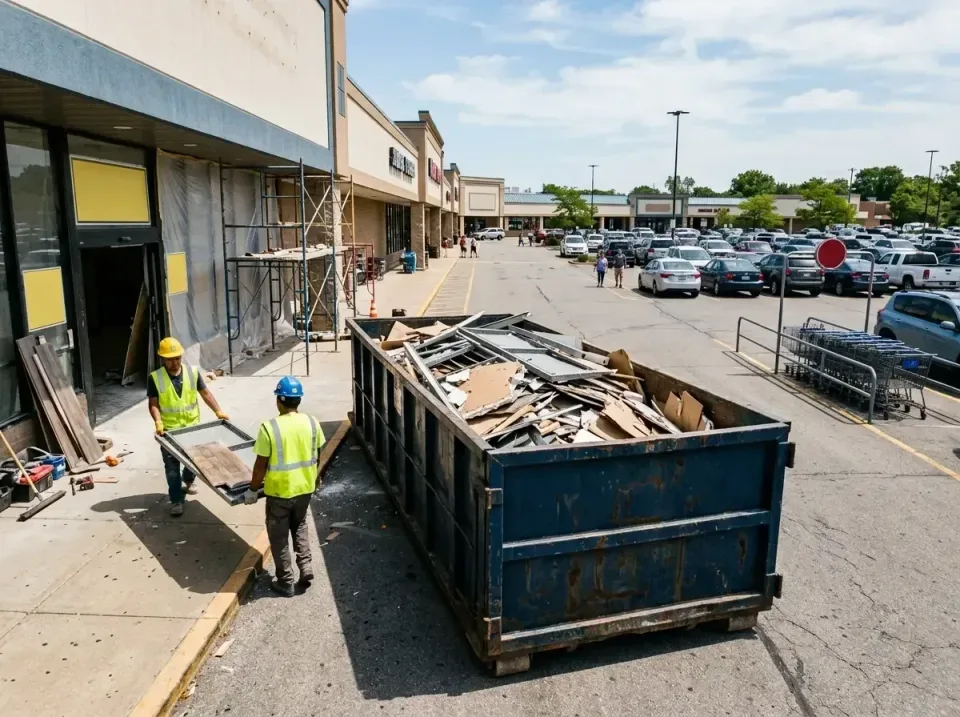
A 40-yard roll-off dumpster should not receive liquids, fuels, solvents, asbestos-containing material, batteries, or other prohibited materials. Separate electronic waste and regulated items through source separation, then ask Dumpster Rentals Guru about the remaining construction and demolition debris.
Yes, but concrete and asphalt can exceed the provider-specific tonnage allowance before the 40-cubic-yard capacity is full. A concrete-only load may reduce sorting problems, while an overweight charge or landfill tipping fee can apply when dense debris is mixed.
A roof replacement debris load commonly costs $450–$1,000, depending on shingles, weight, and disposal fees. The container holds approximately 40 cubic yards, but asbestos-containing material, liquids, and chemical products require separate handling.
Yes, street placement may require a local right-of-way permit, while driveway placement has different access requirements. Confirm approximately 60 feet of clear truck approach, keep the load level, and follow state solid-waste rules and local permit conditions.
Yes, professional help is safer when demolition debris may include asbestos-containing material, contaminated insulation, or unknown coatings. OSHA 29 CFR 1926.1101 covers asbestos work practices, and OSHA 29 CFR 1926.252 addresses construction debris handling; contact Dumpster Rentals Guru after suspect materials are evaluated.
Browse all nationwide service options and choose the right fit for your project.
Homeowners and contractors book Sturgeon Bay renovation cleanup for drywall, roofing, lumber, fixtures, and bulky remodeling debris.
Commercial demolition dumpsters help contractors and property managers clear concrete, drywall, roofing, and mixed construction debris in Sturgeon Bay.
Homeowners, roofing contractors, and property managers book Sturgeon Bay roof debris removal for shingles, lumber, and replacement waste.
Apartment property managers book Sturgeon Bay cleanout dumpsters for furniture, renovation debris, and high-volume unit turnovers.
Homeowners, executors, and property managers book Sturgeon Bay estate cleanout dumpsters for furniture, household junk, and liquidation debris.
Property managers and contractors book foreclosure cleanouts for furniture, renovation debris, appliances, and household waste in Sturgeon Bay.
Homeowners, landscapers, and property managers use Sturgeon Bay dumpsters for brush, limbs, stumps, and bulky yard debris.
Homeowners, contractors, and property managers book Sturgeon Bay junk removal for furniture, appliances, and bulk debris.
Homeowners, contractors, and property managers book storm debris dumpsters for trees, roofing, siding, and bulky damage waste in Sturgeon Bay.
Contractors, property managers, and business owners book Sturgeon Bay dumpsters for office renovation waste and commercial cleanouts.
Retailers, restaurant owners, and property managers book large-container cleanouts for fixtures, furnishings, equipment, and renovation debris in Sturgeon Bay.
Contractors, facility managers, and property owners book warehouse cleanout dumpsters for industrial debris in Sturgeon Bay.
Homeowners, contractors, and property managers book Sturgeon Bay dumpster service for concrete, asphalt, and paving debris.
Homeowners, contractors, and property managers book basement, crawlspace, and foundation debris removal in Sturgeon Bay.
Homeowners, contractors, and property managers book Sturgeon Bay dumpsters for attic insulation, ceiling materials, and renovation debris.
Homeowners, contractors, and property managers use our Sturgeon Bay service for lumber, pallets, branches, and renovation wood waste.
Homeowners and property managers use our Sturgeon Bay service to remove garage junk, furniture, renovation debris, and bulky items.
Homeowners, contractors, and property managers book Sturgeon Bay metal scrap collection for sorted recyclable materials and cleanup debris.
Homeowners, contractors, and property managers use Sturgeon Bay dumpsters for mixed renovation, demolition, roofing, and cleanout debris.
Homeowners, property managers, and contractors book Sturgeon Bay dumpsters for hoarding debris, bulky items, and property cleanouts.
Home cleanouts and moves in Sturgeon Bay need driveway-friendly placement and the right container size — moving & residential debris removal without surprise reload fees.
Manufacturing facility managers book Sturgeon Bay dumpsters for plant shutdowns, equipment removal, demolition debris, and industrial cleanouts.
Contractors and school managers use us for classroom renovations, roofing debris, bulky furniture, and institutional cleanouts in Sturgeon Bay.
40-yard dumpsters for Sturgeon Bay contractors, builders, roofers, and property managers handling high-volume job-site debris.
Homeowners, contractors, and property managers book Sturgeon Bay emergency debris removal for urgent roofing, storm, and cleanup waste.