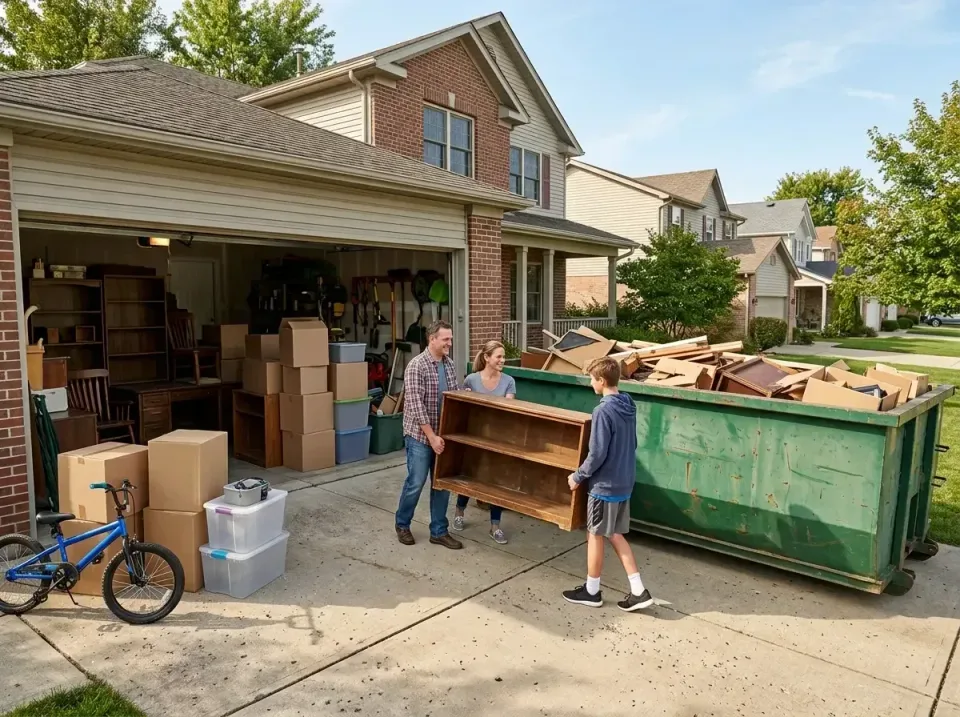
Residential Renovation & Remodel Cleanup
Homeowners and contractors book Sturgeon Bay renovation cleanup for drywall, roofing, lumber, fixtures, and bulky remodeling debris.
A planned swap keeps construction and demolition debris from overflowing the driveway or blocking garage access. A 40 yard dumpster holds 40 cubic yards, making it useful for high-volume demolition phases.
Contractors in Sturgeon Bay, Wisconsin should reserve the first container before tear-out starts. Mark the next swap before roofing materials, drywall, or framing waste reaches the driveway.
Track the fill level each morning and request pickup before the container becomes unsafe. A scheduled exchange prevents crews from making repeated disposal trips.
Dumpster Rentals Guru can coordinate a practical dumpster rental for demolition around the work sequence. Contractors can review commercial demolition dumpster services when comparing hauling arrangements and project timing.
Protect surfaces: Use driveway protection beneath a roll-off container when asphalt or pavers could crack, shift, or stain.
Measure volume: A 40-cubic-yard capacity is the largest common dumpster size, but dense debris can fill weight limits first.
Watch access: Keep the delivery path clear for the truck, especially when demolition equipment or parked vehicles narrow the approach.
Plan exchanges: Schedule each container swap before renovation waste blocks garage doors or crew walkways.
Control loading: Keep debris below the rim and distribute material evenly, so the container remains stable during haul-away.
A short site review helps Dumpster Rentals Guru match container timing with demolition phases. Contractors can compare roll-off delivery planning before equipment arrives.
Reserve the first container before demolition begins, then map swaps to the crew’s tear-out sequence. Commercial demolition contractors often fill a container quickly during structural removal, while residential remodeling contractors may load more slowly across several workdays.
A 40-yard demolition dumpster suits projects with large amounts of framing, fixtures, flooring, and gypsum drywall. Roofing contractors may need a separate plan when shingles arrive in concentrated loads. Keeping roofing waste apart from general demolition material can make the next haul easier to estimate.
Watch for debris reaching the sidewalls, blocked access routes, or material stacking beside the container. Those signs mean the crew needs a container swap before productivity drops or loose debris spreads across the driveway.
Use a written fill check at the end of each shift. Record the material type, approximate fill level, and next pickup target. This simple record shows whether one 40-yard container will last the phase or whether multiple exchanges are more practical.
To load a 40 yard dumpster safely, place heavier material low and spread it across the floor. Keep gypsum drywall and lighter waste from forming unstable peaks near one side.
Do not push debris above the rim. Load leveling keeps the cover secure and reduces rejection risk during transport. Separate dense demolition material when the project includes concrete, fixtures, or masonry mixed with ordinary construction waste.
Dumpster Rentals Guru can help contractors coordinate a commercial demolition debris schedule around pickup windows, crew access, and the next demolition phase.
DIY hauling can work for a small room tear-out with light debris and a suitable vehicle. It becomes inefficient when crews need repeated trips, large equipment, or a commercial demolition dumpster exchanged during active work.
A professional roll-off delivery truck removes the full container and places the next one without requiring workers to load separate vehicles. That keeps the garage entrance open and reduces downtime between demolition stages.
Contact Dumpster Rentals Guru when debris volume changes suddenly, roofing contractors add a new waste stream, or the crew cannot keep the site clear. A project description, material list, and expected swap dates provide the information needed for a useful quote.
A 40-yard construction dumpster fits broad remodeling work with lumber, fixtures, and ordinary building waste. It works well when crews need one container for a steady stream of debris.
| Option | Best for | Key detail |
|---|---|---|
| 40-yard mixed-debris dumpster | General demolition | Handles varied material streams when accepted by the facility. |
| 40-yard roofing dumpster | Shingles and tear-off | Suits concentrated roofing loads and replacement phases. |
| 40-yard commercial cleanout dumpster | Large interior clear-outs | Useful for fixtures, furnishings, and renovation debris. |
| 40-yard yard-waste dumpster | Branches and landscaping debris | Keeps organic material separate from building waste. |
Ask Dumpster Rentals Guru to match the container with the demolition phase. A construction dumpster selection guide can help crews compare material restrictions before booking.
Reserve placement: Book the first 40 yard container before demolition begins, leaving room for the container door and crew movement.
Confirm material weight: Ask how much weight can a 40 yard dumpster hold for the selected debris stream, since dense material can reach limits early.
Clear the site: Remove parked vehicles and equipment before the delivery truck arrives.
Stage the swap: Mark the next container location and keep the exchange path open.
Load evenly: Place heavy debris low, distribute material across the floor, and keep the load below the rim.
Schedule pickup: Arrange haul-away after final loading, not after the container has already blocked production.
Construction dumpsters became widespread in the 1970s, but reliable swap planning still depends on simple field checks. Contractors can verify container delivery logistics before demolition starts.
A 40-yard residential rental commonly ranges from $500–$1,200. Region, weight, and rental period affect the total, especially when demolition creates several pickup needs.
Roof replacement debris commonly ranges from $450–$1,000, with shingles, weight, and disposal fees influencing the quote. Commercial renovation work commonly ranges from $700–$1,600 based on volume, access, and rental duration.
Concrete and asphalt disposal commonly ranges from $600–$1,500 because material weight and tonnage limits can raise disposal charges. Estate cleanouts commonly range from $500–$1,200, depending on furniture volume, labor, and disposal mix.
A 40-yard container measures approximately 22×8×8 feet and holds about 12 pickup loads. Delivery also needs roughly 12 feet of clear width and 23 feet of overhead clearance for truck tilt.
Final quotes vary by region, weight, rental period, permits, access.
Expert insight: The cleanest swap happens before the crew runs out of usable loading space. Confirm the container’s tonnage allowance and separate dense material before the roll-off truck arrives. Source separation helps prevent a heavy debris stream from consuming the entire allowance. It can also identify material that requires a different disposal route.
Common mistake: Crews wait until a container is overflowing before requesting the container swap.
Use load leveling instead of creating a high center pile. A level load stays below the walls and reduces problems during haul-away.
Dumpster right-sizing also matters. A smaller container may require more exchanges, while an oversized container can create unnecessary unused capacity.
For a practical field checklist, contractors can review roll-off container swap guidance before the demolition schedule is finalized.
Plan the first container before demolition, then schedule each swap before debris blocks the driveway or garage. Keep the load level and separate dense material before pickup.
In Sturgeon Bay, WI, demolition debris hauling may involve changing material streams, tight access, and weight limits from 2–8 tons. Concrete and asphalt disposal needs a separate conversation from ordinary construction waste.
Dumpster Rentals Guru can help coordinate residential renovation cleanup, roof replacement cleanup, or property cleanout services around the work sequence. Contractors serving other locations can check dumpster service coverage areas when planning a remote project.
Prepare the material list, expected volume, placement address, and swap dates before requesting a quote. Call (920) 343-9426 to discuss the next demolition container.
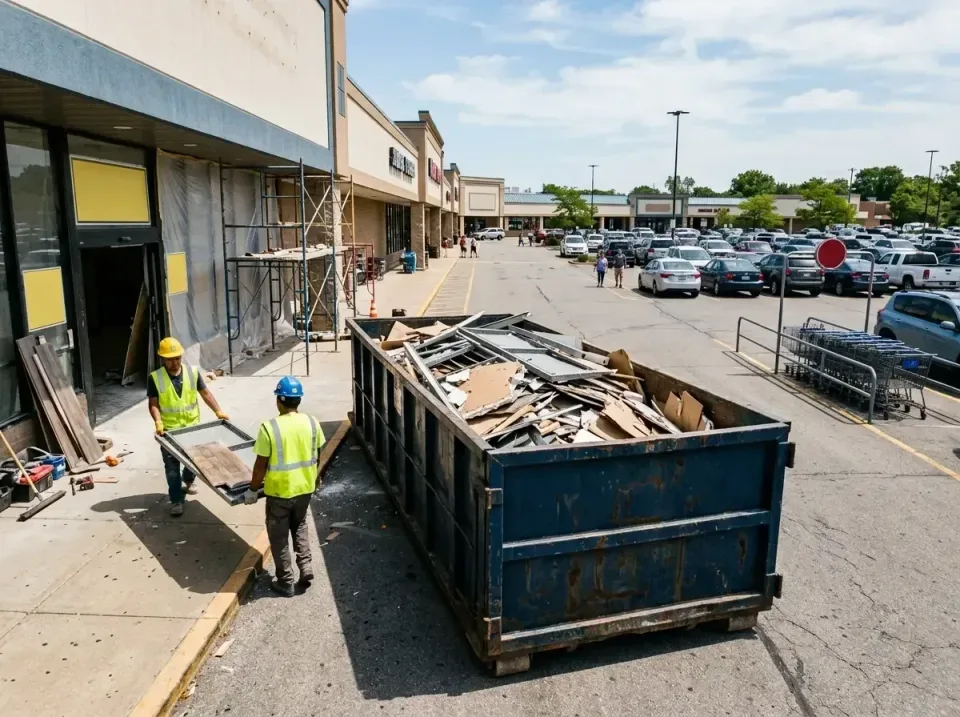
A 40 yard dumpster holds 40 cubic yards, roughly the volume of 12 pickup loads, making it useful for commercial demolition debris. Keep loading level with the container walls, because overfilled material can be rejected during haul-away.
Rental periods commonly run 7–14 days, though regional policy and the demolition schedule affect the approved period. Plan each container swap around the phase producing debris, rather than leaving a full roll-off container blocking access.
A 40 yard dumpster commonly carries a provider-specific limit between 2–8 tons, with landfill rules and the contract controlling the final allowance. Separate concrete and asphalt from lighter construction waste before booking to reduce overweight charge risk.
Yes, roofing contractors can mix shingles with renovation debris only when the receiving facility and contract accept that stream. Source separation is safer when gypsum drywall, pressure-treated wood, or dense material could change the tonnage allowance.
Street placement may require a local right-of-way permit, while demolition involving asbestos-containing material can trigger 40 CFR 61 Subpart M and OSHA 29 CFR 1926.1101 work practices. RCRA Subtitle D, 40 CFR Part 261, the United States Environmental Protection Agency, and state environmental protection agencies guide disposal and prohibited-material screening.
Browse all nationwide service options and choose the right fit for your project.
Homeowners and contractors book Sturgeon Bay renovation cleanup for drywall, roofing, lumber, fixtures, and bulky remodeling debris.
Commercial demolition dumpsters help contractors and property managers clear concrete, drywall, roofing, and mixed construction debris in Sturgeon Bay.
Homeowners, roofing contractors, and property managers book Sturgeon Bay roof debris removal for shingles, lumber, and replacement waste.
Apartment property managers book Sturgeon Bay cleanout dumpsters for furniture, renovation debris, and high-volume unit turnovers.
Homeowners, executors, and property managers book Sturgeon Bay estate cleanout dumpsters for furniture, household junk, and liquidation debris.
Property managers and contractors book foreclosure cleanouts for furniture, renovation debris, appliances, and household waste in Sturgeon Bay.
Homeowners, landscapers, and property managers use Sturgeon Bay dumpsters for brush, limbs, stumps, and bulky yard debris.
Homeowners, contractors, and property managers book Sturgeon Bay junk removal for furniture, appliances, and bulk debris.
Homeowners, contractors, and property managers book storm debris dumpsters for trees, roofing, siding, and bulky damage waste in Sturgeon Bay.
Contractors, property managers, and business owners book Sturgeon Bay dumpsters for office renovation waste and commercial cleanouts.
Retailers, restaurant owners, and property managers book large-container cleanouts for fixtures, furnishings, equipment, and renovation debris in Sturgeon Bay.
Contractors, facility managers, and property owners book warehouse cleanout dumpsters for industrial debris in Sturgeon Bay.
Homeowners, contractors, and property managers book Sturgeon Bay dumpster service for concrete, asphalt, and paving debris.
Homeowners, contractors, and property managers book basement, crawlspace, and foundation debris removal in Sturgeon Bay.
Homeowners, contractors, and property managers book Sturgeon Bay dumpsters for attic insulation, ceiling materials, and renovation debris.
Homeowners, contractors, and property managers use our Sturgeon Bay service for lumber, pallets, branches, and renovation wood waste.
Homeowners and property managers use our Sturgeon Bay service to remove garage junk, furniture, renovation debris, and bulky items.
Homeowners, contractors, and property managers book Sturgeon Bay metal scrap collection for sorted recyclable materials and cleanup debris.
Homeowners, contractors, and property managers use Sturgeon Bay dumpsters for mixed renovation, demolition, roofing, and cleanout debris.
Homeowners, property managers, and contractors book Sturgeon Bay dumpsters for hoarding debris, bulky items, and property cleanouts.
Home cleanouts and moves in Sturgeon Bay need driveway-friendly placement and the right container size — moving & residential debris removal without surprise reload fees.
Manufacturing facility managers book Sturgeon Bay dumpsters for plant shutdowns, equipment removal, demolition debris, and industrial cleanouts.
Contractors and school managers use us for classroom renovations, roofing debris, bulky furniture, and institutional cleanouts in Sturgeon Bay.
40-yard dumpsters for Sturgeon Bay contractors, builders, roofers, and property managers handling high-volume job-site debris.
Homeowners, contractors, and property managers book Sturgeon Bay emergency debris removal for urgent roofing, storm, and cleanup waste.