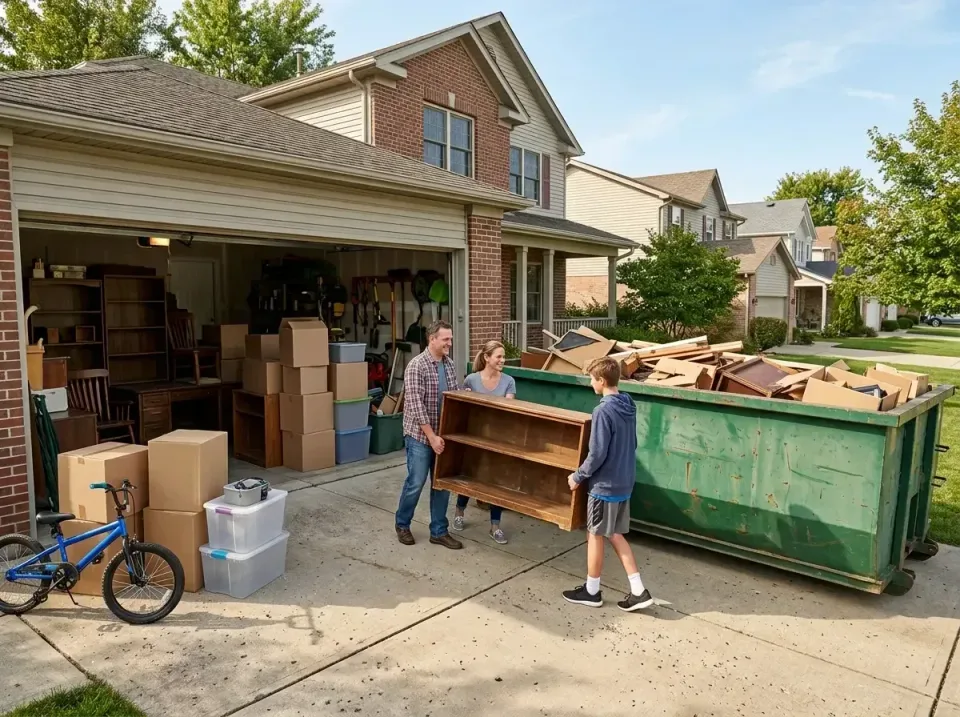
Residential Renovation & Remodel Cleanup
Homeowners and contractors book Sturgeon Bay renovation cleanup for drywall, roofing, lumber, fixtures, and bulky remodeling debris.
Roofing debris fills a container quickly because shingles overlap, retain air, and occupy more volume than their weight suggests. A 40-yard roofing debris dumpster can hold roughly twelve pickup loads, but poor stacking wastes space.
In Sturgeon Bay, Wisconsin, roofing materials piling up can block a driveway before the crew finishes. A 40 yard dumpster rental gives roofers one temporary container for tear-off waste instead of repeated trips.
Ask for 40 yard dumpster rental quotes using the roof size, shingle layers, and expected disposal weight. Those details help match the container to the work.
Keep the load below the rim and distribute shingles evenly. Customers comparing disposal logistics can review regional dumpster delivery practices before scheduling a roofing cleanup.
Dumpster Rentals Guru can help plan placement around garage access, vehicles, and the roof replacement schedule.
Driveway overflow: Use dumpster right-sizing before tear-off starts, since loose shingles can spread beyond the planned footprint.
Paver protection: A roofing dumpster needs driveway protection, such as plywood boards, when asphalt or pavers could be damaged.
Waste type: Construction and demolition debris may include shingles, wood, and drywall, so source separation can reduce disposal complications.
Heavy materials: Concrete and asphalt need separate planning because their tonnage allowance differs from roofing waste.
Loading control: Load leveling keeps debris below container walls and reduces rejection, overfilled loads, and extra haul-away trips. A 40-yard roll-off container provides high-volume debris capacity, but the material still needs careful placement. Before delivery, confirm truck clearance and keep garage access open; practical roll-off placement guidance can help identify access problems.
Roofing shingles are dense, irregular, and difficult to compact safely. Tear-off crews often remove several layers, felt, flashing, nails, and damaged wood together. The resulting roofing debris removal load contains many overlapping pieces with trapped air.
A 40-yard temporary dumpster handles high-volume roof replacement waste, but it does not make the waste disappear. Load shingles flat where possible, spread heavier pieces across the floor, and keep debris below the top edge. Roofing contractors should estimate roof area and layer count before choosing a dumpster rental.
A container swap makes sense when shingles approach the rim before the project ends, when garage access becomes blocked, or when mixed waste includes bulky lumber. One overloaded container can delay pickup, create an overweight charge, or require unsafe hand-stacking.
A provider may recommend a second temporary dumpster when tear-off continues across several buildings. That choice can cost less than stopping the crew for repeated small loads, especially for apartment property managers or commercial roofing contractors. Dumpster Rentals Guru can compare a larger roll-off container with multiple exchanges after reviewing the roof scope.
Roofing cleanup costs reflect shingle weight, disposal fees, rental duration, access, and the number of containers required. A roof replacement debris project commonly falls between $450 and $1,000, with shingles, weight, and disposal fees driving the range.
Final quotes vary by region, weight, rental period, permits, and access. A provider should confirm the tonnage allowance before delivery, since landfill tipping fees and overweight charges may apply when tear-off material exceeds the included limit.
DIY hauling may work for a small repair with limited shingles and a suitable trailer. Full replacement work usually favors professional hauling because delivery, pickup, and landfill disposal are included, while repeated personal trips consume labor and vehicle capacity.
Do not place asbestos-containing material, liquids, or other prohibited materials in a roll-off container. The United States Environmental Protection Agency, Resource Conservation and Recovery Act, and 40 CFR Part 261 shape disposal screening, while OSHA 29 CFR 1926.252 addresses construction debris handling. A professional can also identify when roofing material requires separate disposal instead of free debris disposal.
Before scheduling, measure the approach and protect the placement area. A roll-off delivery truck needs room to lower the container without scraping a garage, tree, utility line, asphalt edge, or paver surface. A roofing cleanup service example may illustrate why material separation and pickup timing matter, though local requirements still control the job.
A 40-yard roofing dumpster suits large shingle tear-offs where volume matters more than concentrated weight. A demolition container fits heavier mixed construction debris, while a mixed-debris unit handles several material streams.
| Option | Best for | Key detail |
|---|---|---|
| 40-yard roofing dumpster | Large shingle tear-offs | High-volume debris capacity |
| 40-yard demolition dumpster | Structural removal | Handles heavier demolition loads |
| 40-yard mixed-debris dumpster | Remodeling projects | Mixed construction debris acceptance |
| 40-yard yard-waste dumpster | Storm or landscaping cleanup | Keeps organic waste separate |
The container measures approximately 22×8×8 feet, though manufacturer dimensions vary. Compare material weight before choosing the largest option; concrete and asphalt create different weight constraints than shingles.
Before street placement, check portable container placement information alongside Sturgeon Bay permit requirements. Driveway placement usually avoids a public right-of-way permit, but access and surface protection still require planning.
Reserve placement: Book the mixed construction dumpster before demolition begins, using roof size and layer count for sizing.
Check access: Confirm driveway width, overhead clearance, and a straight truck approach before dumpster delivery and pickup.
Clear the zone: Move parked vehicles and keep garage doors, sidewalks, wires, and branches unobstructed.
Protect the surface: Place plywood under heavy containers when asphalt or pavers need driveway protection.
Load safely: Put shingles and wood inside the residential dumpster, keep debris below the rim, and never add liquids.
Schedule removal: Request pickup after final loading, or arrange a container swap if the roofing load reaches the walls.
Check rules: Follow construction debris disposal regulations and request a permit for public-street placement. A dumpster delivery and pickup resource can help explain timing, but Sturgeon Bay rules govern placement.
A residential 40-yard rental commonly costs $500–$1,200, depending on region, weight, and rental period. Roof replacement debris commonly ranges from $450–$1,000 because shingles, disposal fees, and tonnage affect the final amount.
A 40-yard construction dumpster holds 40 cubic yards, the largest common dumpster size. Its approximate 22×8×8-foot footprint suits major roof work, but access can change the quote.
A 40-yard yard-waste dumpster may suit storm cleanup, while mixed roofing and remodeling waste requires different disposal handling. Ask for a written quote that identifies rental days, included weight, pickup, and extra material charges.
Final quotes vary by region, weight, rental period, permits, access.
A roof tear-off rarely fails from lack of container volume alone. The usual problem is unplanned weight, poor load distribution, or a delivery path blocked by vehicles. Check the tare weight, included tonnage allowance, and placement surface before shingles arrive. Source separation can reduce landfill tipping fees and make a container swap easier.
Common mistake: stacking shingles above the rim instead of requesting pickup or a second roll-off container.
The 40-cubic-yard capacity is useful only when load leveling keeps material inside the walls. A provider can explain how an overweight charge applies when the landfill scale records more than the agreed allowance.
For a large roof, keep approximately 60 feet of clear approach for the truck and protect the driveway with boards. Dumpster Rentals Guru can review the roof scope before confirming a practical container plan.
Roofing crews should cover loads before transport and leave prohibited materials outside the container. Those checks reduce avoidable delays during haul-away.
Roofing debris fills containers faster when overlapping shingles, multiple layers, and bulky tear-off materials trap air. A properly sized roll-off container, level loading, and planned pickup keep roofing materials from piling up in the driveway.
Weight limits commonly range from 2–8 tons, depending on the landfill and contract. Keep debris level with container walls, separate heavy materials, and plan tree and yard debris removal separately when storm cleanup expands the job.
Dumpster Rentals Guru can help with roof replacement cleanup, demolition debris hauling, and a dumpster rental in my area. Start by sharing the roof size, material type, placement address, and preferred rental period.
Use the Dumpster Rentals Guru service area directory to confirm coverage around Sturgeon Bay, WI. Then request a quote before tear-off begins so access, weight, permits, and pickup timing are addressed together.
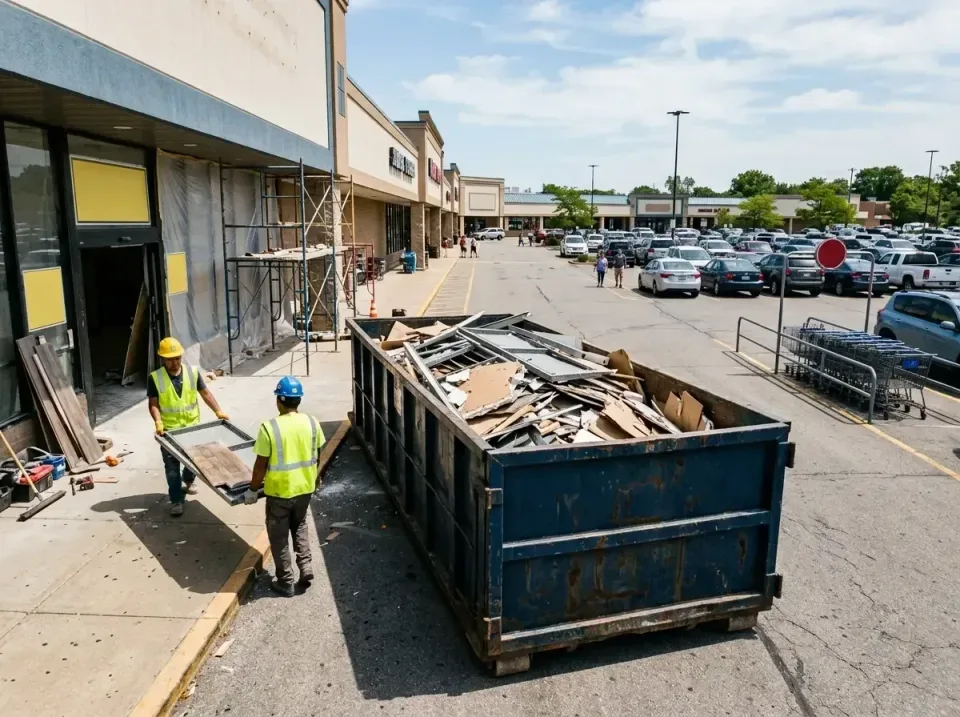
A 40-yard roofing dumpster holds 40 cubic yards, roughly twelve pickup loads, when shingles are loaded below the rim. A roll-off container still needs load leveling, and mixed materials such as wood or gypsum drywall reduce usable space.
If roofing materials overflow the driveway, stop loading above the walls and request a container swap or earlier haul-away. Dumpster Rentals Guru can review the remaining roof scope, tonnage allowance, and access before arranging the next roll-off container.
A 40-yard residential rental commonly costs $500–$1,200, while roof replacement debris commonly runs $450–$1,000. Region, weight, rental period, shingle disposal fees, permits, and access determine the final quote.
No, asbestos-containing material should not enter a standard roll-off dumpster without approved handling and disposal planning. The Resource Conservation and Recovery Act, 40 CFR Part 261, 40 CFR 61 Subpart M, and OSHA 29 CFR 1926.1101 affect screening and work practices.
Hire a professional when shingles block garage access, tear-off requires multiple trips, or the load may exceed its tonnage allowance. Dumpster Rentals Guru can coordinate a 40-yard roofing dumpster, driveway protection, pickup timing, and disposal screening for Sturgeon Bay projects.
Browse all nationwide service options and choose the right fit for your project.
Homeowners and contractors book Sturgeon Bay renovation cleanup for drywall, roofing, lumber, fixtures, and bulky remodeling debris.
Commercial demolition dumpsters help contractors and property managers clear concrete, drywall, roofing, and mixed construction debris in Sturgeon Bay.
Homeowners, roofing contractors, and property managers book Sturgeon Bay roof debris removal for shingles, lumber, and replacement waste.
Apartment property managers book Sturgeon Bay cleanout dumpsters for furniture, renovation debris, and high-volume unit turnovers.
Homeowners, executors, and property managers book Sturgeon Bay estate cleanout dumpsters for furniture, household junk, and liquidation debris.
Property managers and contractors book foreclosure cleanouts for furniture, renovation debris, appliances, and household waste in Sturgeon Bay.
Homeowners, landscapers, and property managers use Sturgeon Bay dumpsters for brush, limbs, stumps, and bulky yard debris.
Homeowners, contractors, and property managers book Sturgeon Bay junk removal for furniture, appliances, and bulk debris.
Homeowners, contractors, and property managers book storm debris dumpsters for trees, roofing, siding, and bulky damage waste in Sturgeon Bay.
Contractors, property managers, and business owners book Sturgeon Bay dumpsters for office renovation waste and commercial cleanouts.
Retailers, restaurant owners, and property managers book large-container cleanouts for fixtures, furnishings, equipment, and renovation debris in Sturgeon Bay.
Contractors, facility managers, and property owners book warehouse cleanout dumpsters for industrial debris in Sturgeon Bay.
Homeowners, contractors, and property managers book Sturgeon Bay dumpster service for concrete, asphalt, and paving debris.
Homeowners, contractors, and property managers book basement, crawlspace, and foundation debris removal in Sturgeon Bay.
Homeowners, contractors, and property managers book Sturgeon Bay dumpsters for attic insulation, ceiling materials, and renovation debris.
Homeowners, contractors, and property managers use our Sturgeon Bay service for lumber, pallets, branches, and renovation wood waste.
Homeowners and property managers use our Sturgeon Bay service to remove garage junk, furniture, renovation debris, and bulky items.
Homeowners, contractors, and property managers book Sturgeon Bay metal scrap collection for sorted recyclable materials and cleanup debris.
Homeowners, contractors, and property managers use Sturgeon Bay dumpsters for mixed renovation, demolition, roofing, and cleanout debris.
Homeowners, property managers, and contractors book Sturgeon Bay dumpsters for hoarding debris, bulky items, and property cleanouts.
Home cleanouts and moves in Sturgeon Bay need driveway-friendly placement and the right container size — moving & residential debris removal without surprise reload fees.
Manufacturing facility managers book Sturgeon Bay dumpsters for plant shutdowns, equipment removal, demolition debris, and industrial cleanouts.
Contractors and school managers use us for classroom renovations, roofing debris, bulky furniture, and institutional cleanouts in Sturgeon Bay.
40-yard dumpsters for Sturgeon Bay contractors, builders, roofers, and property managers handling high-volume job-site debris.
Homeowners, contractors, and property managers book Sturgeon Bay emergency debris removal for urgent roofing, storm, and cleanup waste.